
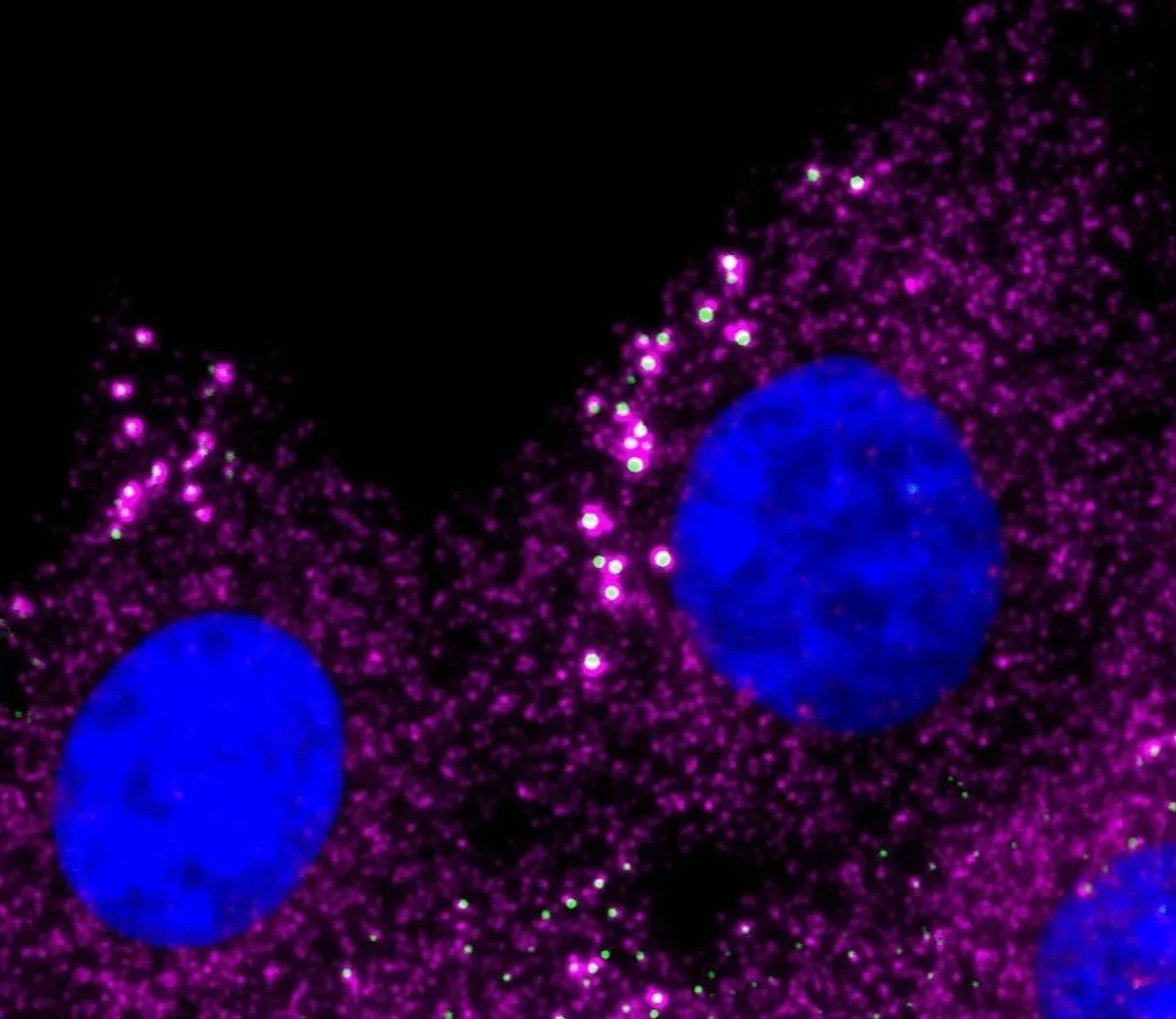
Lipoproteins transport cholesterol and fatty acids between cell types throughout the body, a process vital to vertebrate life. Because the blood-brain barrier is impermeable to lipoproteins, the brain assembles its own specialized lipoprotein pools to sustain neuronal survival. ApoE is an essential structural constituent of these brain lipoproteins, required for their assembly and transport. A common point mutation in ApoE confers the highest known genetic risk factor for Alzheimer's Disease. In collaboration with the Khosla and Pinals Labs at Stanford University, we are determining how ApoE-lipoproteins are properly lipidated and assembled. We are also investigating their uptake across diverse brain cell types and regions.
Cholesterol homeostasis
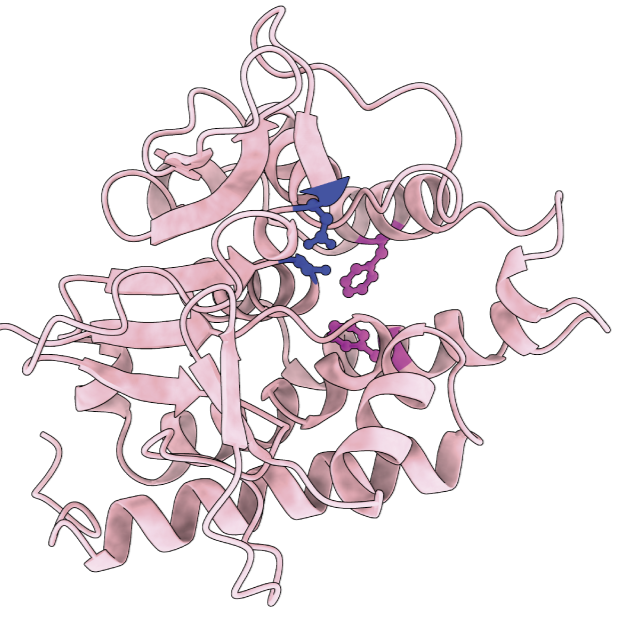

Cholesterol is an essential structural lipid in mammalian cells, comprising up to ~40 mole % of the plasma membrane, where it governs membrane fluidity, thickness, and curvature. Cholesterol also acts as a direct signaling molecule by binding to and regulating receptors. Only a minor fraction—termed accessible cholesterol—is available for this signaling; the rest is sequestered by other membrane lipids and rendered inactive. This balance between accessible and sequestered cholesterol is essential for processes ranging from developmental signaling to pathogen evasion, and its dysregulation underlies major human diseases, including cardiovascular disease, neurodegeneration, and cancer. We are uncovering how cells maintain this balance in their plasma membranes, and how it is lost in disease by mapping cholesterol's chemical activity and localization in vivo across diverse cell types.
Fatty acid metabolism
Fatty acids are among the most versatile molecules in the cell, serving as fundamental building blocks of phospholipids and as one of the body's most vital energy sources. To meet this dual role, cells store fatty acids as triacylglycerol, the most energy-dense form of biological fuel, drawing on these reserves when energy demand rises. Maintaining health requires carefully balancing this storage against consumption, and when that balance breaks down, the consequences include metabolic and neurological disease. We recently discovered that ACC1, the rate-limiting enzyme in fatty acid synthesis, controls triacylglycerol breakdown by regulating ATGL at lipid droplets. Through structure-function analysis of these two proteins, we aim to uncover new principles governing lipid metabolism. Beyond energy storage, we're investigating how cells maintain a proper balance of saturated to unsaturated fatty acids—a process essential for membrane fluidity and receptor signaling.